
Dental emergencies can happen without warning. A sudden toothache, swelling, or a broken tooth can quickly become stressful. In moments like these, it’s a good idea to visit a dental clinic near you to get quick relief and clear, reliable answers.
Speaking with a trusted dentist in Coquitlam early on can help you understand whether your concern requires urgent care or can wait for a scheduled visit. Acting quickly often prevents minor problems from becoming more serious.
Understanding the signs of a dental emergency allows you to act quickly and protect your teeth. Delaying care can sometimes turn a small concern into a more serious condition. Being informed helps you stay calm and make the right decision.
Severe Tooth Pain
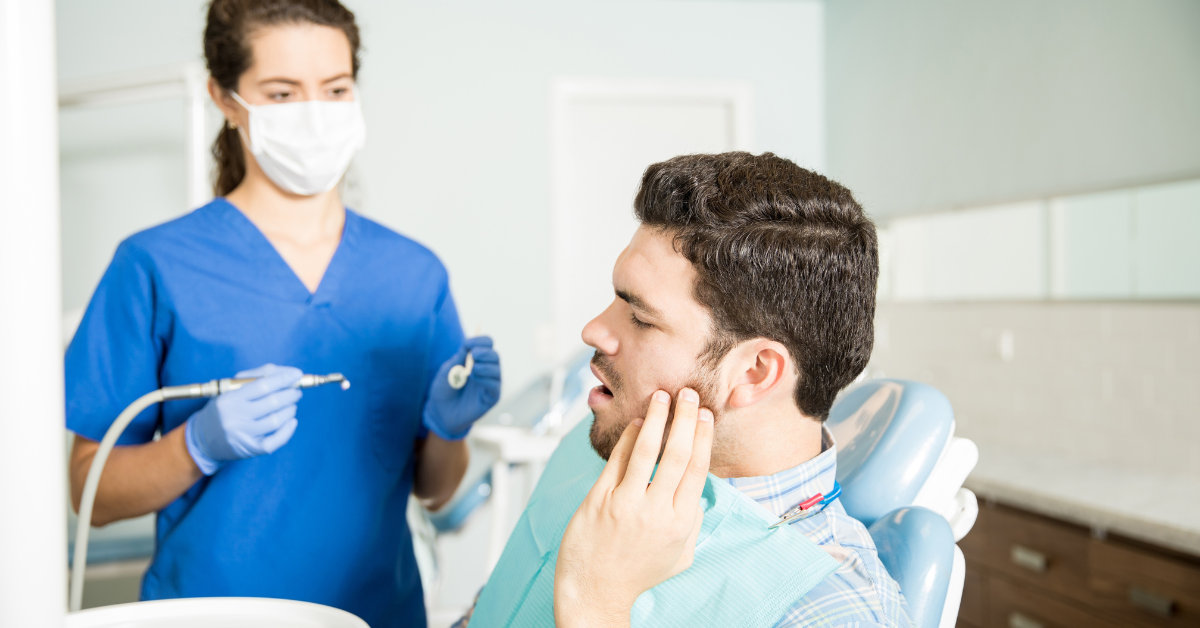
One of the most common reasons people seek emergency treatment is intense tooth pain. A severe, throbbing ache may indicate deep decay, nerve inflammation, or infection.
You should seek help if:
- The pain is constant or worsening
- Swelling is present around the tooth
- Pain spreads to your jaw or ear
- Discomfort makes it challenging to eat or sleep
Knowing when to see an emergency dentist is essential. Severe pain rarely resolves on its own and often signals an underlying issue that needs treatment.
Knocked-Out Teeth
A knocked-out tooth requires immediate care. Acting quickly can sometimes save the tooth and prevent permanent loss.
If this happens:
- Pick up the tooth by the crown, not the root
- Rinse it gently with water
- Try placing it back into the socket if possible
- Keep it in milk if reinsertion is not possible
Time plays a critical role. Receiving treatment promptly greatly increases the chances of success.
Broken or Cracked Teeth
Teeth can crack more easily than we think. A fall, a sports injury, or even biting down on something hard can cause damage. Sometimes the crack is small, but even a minor fracture can expose the sensitive inner part of the tooth and lead to discomfort.
You may need emergency care if you notice:
- A sharp or rough edge on the tooth
- Sudden sensitivity to hot or cold
- Bleeding around the area
- Pain when chewing or biting
It may be tempting to ignore a small crack, especially if the pain is mild. However, if left untreated, it can allow bacteria to enter and cause infection or further damage.
Swelling and Dental Abscess
Swelling in your gums, face, or jaw can be more than just discomfort. It may be a sign of a severe infection developing beneath the surface. A dental abscess is not something to ignore, as the infection can spread if left untreated.
You might notice:
- Gums that look puffy or inflamed
- Fever or feeling unwell
- A constant bad taste in your mouth
- Pain when chewing or biting
These symptoms should not be taken lightly. Seeking care quickly can stop the infection and help you recover more comfortably and safely.
Lost Fillings or Crowns
Losing a filling or crown may not always cause sharp pain, but it exposes sensitive areas of the tooth.
You may experience:
- Increased sensitivity to hot or cold
- Discomfort while chewing
- A rough or uneven feeling
Without proper protection, the tooth becomes more vulnerable to decay or fracture. Prompt repair restores strength and comfort.
Soft Tissue Injuries
Injuries to the lips, cheeks, gums, or tongue can also require urgent attention. Accidents during sports or daily activities may lead to cuts or heavy bleeding.
Seek care if:
- Bleeding continues after applying pressure
- The injury is deep
- Swelling becomes severe
Timely treatment reduces infection risk and promotes proper healing.
When Immediate Care Is Necessary
Knowing when to see an emergency dentist can truly make a difference. Some symptoms should never be ignored, especially when they are intense or getting worse.
You should seek urgent care if you notice:
- Continuous bleeding.
- Your face or jaw is very swollen.
- A tooth that feels mobile post an injury.
- Excruciating pain with no relief.
If you are unsure whether your situation is urgent, it is always better to call a dental professional.
Preventing Dental Emergencies
Although emergencies can’t always be avoided, you can reduce your risk through preventive care.
Helpful habits include:
- Wearing a mouthguard during sports.
- Maintaining consistent oral hygiene.
- Scheduling regular check-ups.
Taking care of minor dental issues early can prevent more serious problems later.
Compassionate Care When You Need It
Dental emergencies can feel frightening and uncomfortable. At Lincoln Dental, we provide prompt, compassionate care in urgent situations.
If you are dealing with unexpected pain or injury, book your appointment today so we can help restore your comfort and peace of mind.
Frequently Asked Questions
What are the symptoms of a dental emergency?
A dental emergency would include severe pain, noticeable swelling, or bleeding that does not stop, a knocked-out tooth, or signs of infection.
When should I see an emergency dentist?
You should seek care right away if the pain becomes intense, swelling increases, or the problem worsens.
Can a knocked-out tooth be saved?
Yes, if treated quickly. Immediate action and professional care increase the chances of saving the tooth.
Is a lost filling considered urgent?
It can be, especially if it causes sensitivity or exposes the inner part of the tooth.